In this article, we explain what gin is made from, how it’s made and look at some of the different gin botanicals that are used to flavour gin today.
If you think the current popularity of gin is a new phenomenon, think again. Gin has been around for a very long time indeed. It first appeared as herbal medicine in the 16th century, helping to treat gallstones, gout and stomach issues. But it was when William of Orange became king that the juniper based spirit became fashionable as a drink with the British people.
There is no doubt that gin is the most diverse spirit on the market. Due to the numerous combinations of botanicals used in gin production, there is an extraordinary range available today. Thanks to these botanicals and present-day distilling processes, modern gins are significantly different from the gin drunk those hundreds of years ago.

What is Gin Made From?
Made from a neutral spirit as a base, combined with several different botanicals, one thing all gins have in common is their use of juniper berries. Juniper is the predominant flavouring in all gins. In fact, a spirit is classified as a gin only if it is of specific strength and contains juniper as it’s leading flavour.
Each distillery uses different gin botanicals, with many keeping their recipes a closely guarded secret. Many gin botanicals have medicinal uses, which has led to claims that gin might even be of benefit to health.
How is Gin Made?
You can think of gin as basically flavoured vodka. There are three popular ways of making gin – below is a summary of each.
In all cases, the gin making process begins with choosing the right neutral spirit base, or ethanol. Most neutral spirits are wheat-based, while others can come from barley, grape, and sugar.
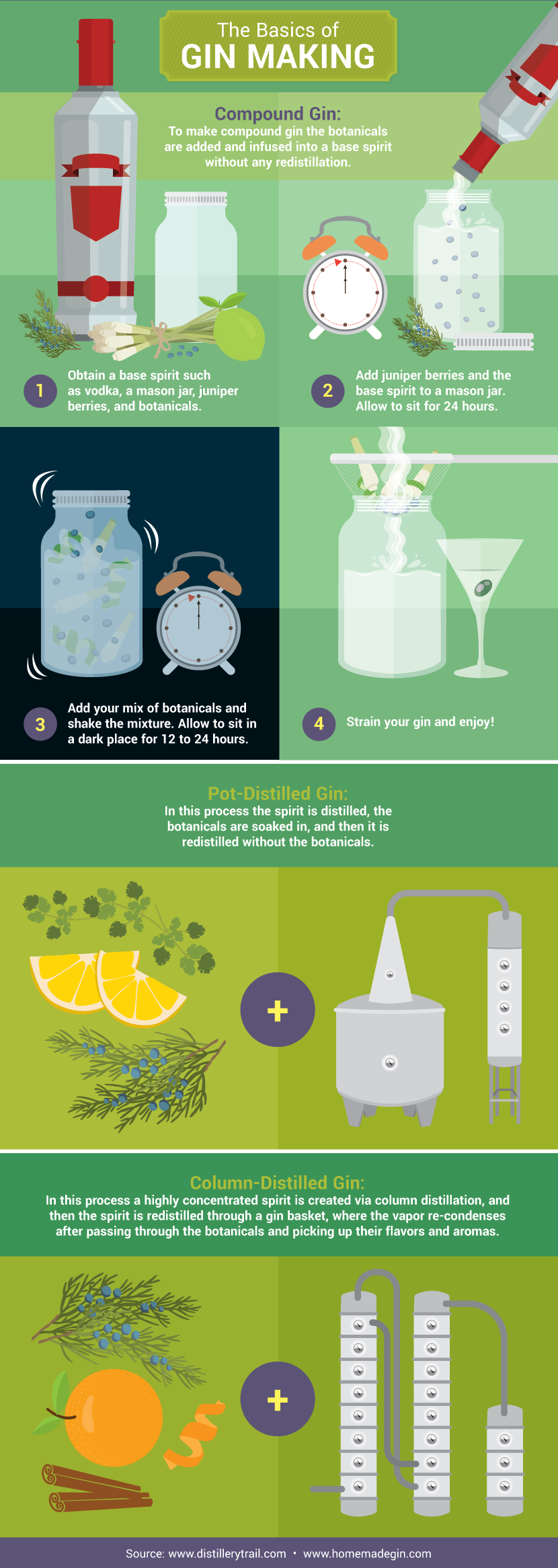
The base spirit and botanicals combine in a process called re-distillation. The distillation process takes one of the following three forms, as summarised in the infographic below.
Source: Fix.com Blog
Compound Distilling
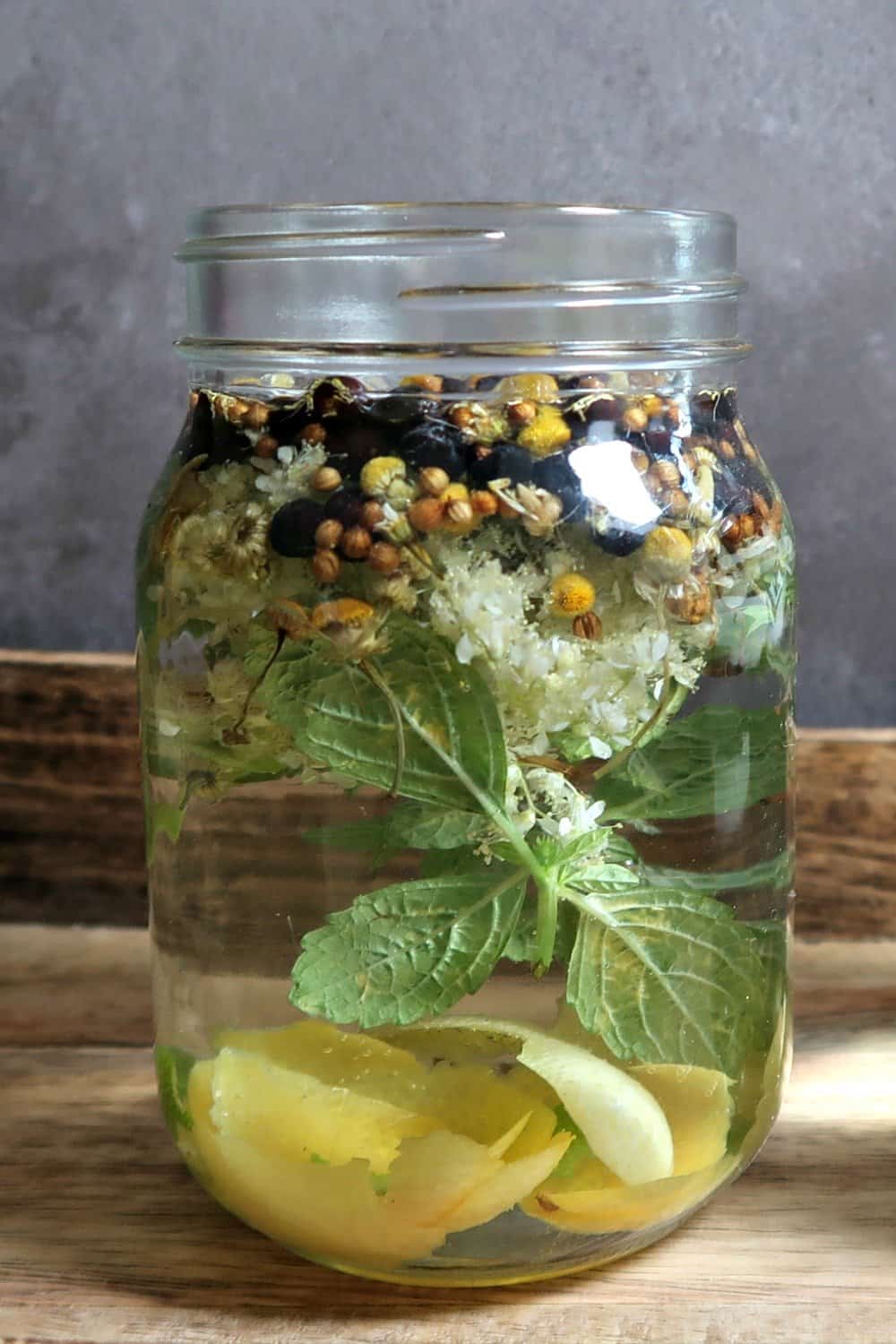
Through the process of compound distilling, gin botanicals are added to a neutral spirit and left to infuse. Compound distilling is the most straightforward process for making gin. It is also the method that the recipes on Just add Gin use.
Compound gins tend to take on colour from their infusion botanicals. To make a crystal clear gin, you need to use one of the methods below.
Pot Distilling
Pot distillation is a method that has changed little since gin production began. The pot is essentially a giant kettle that heats a base alcohol mix. Alcohol has a lower boiling point than water, so alcohol vapours are collected and recondensed, resulting in a more concentrated spirit.
The resulting grain spirit is returned to the pot still along with juniper and other botanicals, and left to macerate. Once the maceration process is complete, the spirit is then distilled for a second time,
Pot distilling is not a continuous process as the pot has to be cooled, emptied and cleaned between each batch. It does, however, have the advantage that each batch is unique and is considered the gold standard for craft gins.

Column Distilling
Column Distilling allows for the continuous distillation of spirits, so is ideal for the mass production of gin. Gin botanicals sit in a basket towards the top of the still, where liquid never comes into contact with them. As the spirit vapourises, it steams through the botanicals, extracting the flavour and fragrance in the process. This process is known as vapour extraction. Just as with pot distilling, the vapour then turns back into a liquid, now containing the desired aromas and flavours.
Ageing Gin
While the ageing process of gin used to be fairly common, most distilleries today find it unnecessary to do so. The select few that still choose to say that it brings the gin a more earthy taste, along with deeper flavour and brown colouring.
Gin is aged by placing it in oak barrels that have contained Scotch or Vermouth, and then allow it to sit for several months.

Common Gin Botanicals
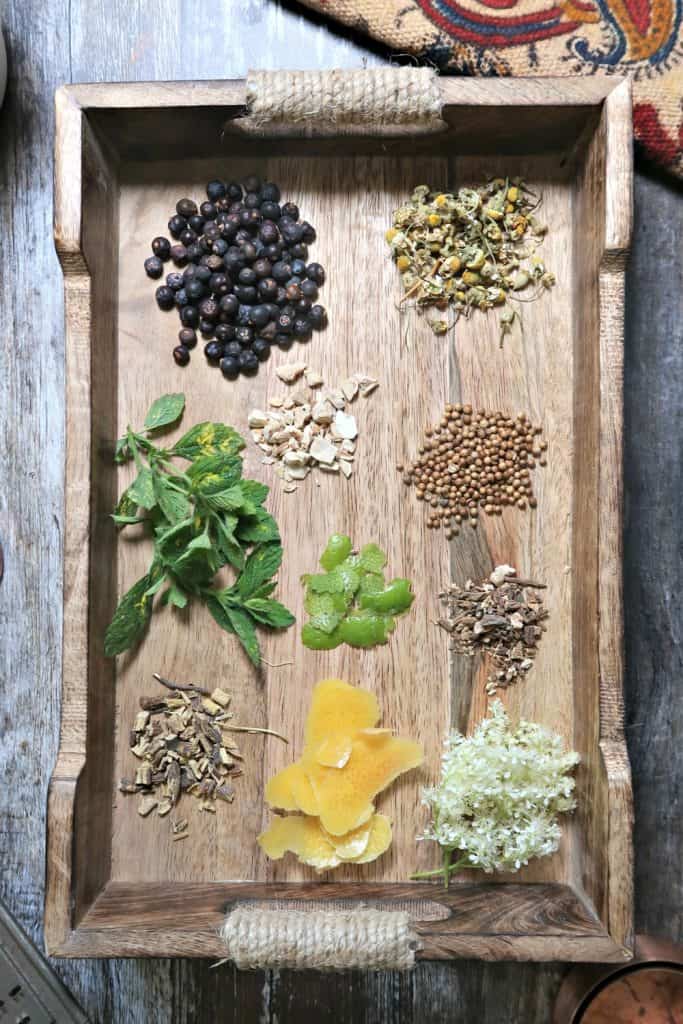
As mentioned earlier, gin ingredients or botanicals may vary depending on the gin or the preferences with each distillery. There are hundreds of different botanicals used to make gin, making every bottle unique.
Some distilleries use several, while some gins have as little as three or four botanicals. Here’s a look at some of the most common gin botanicals that may be present in your favourite gin.
Juniper
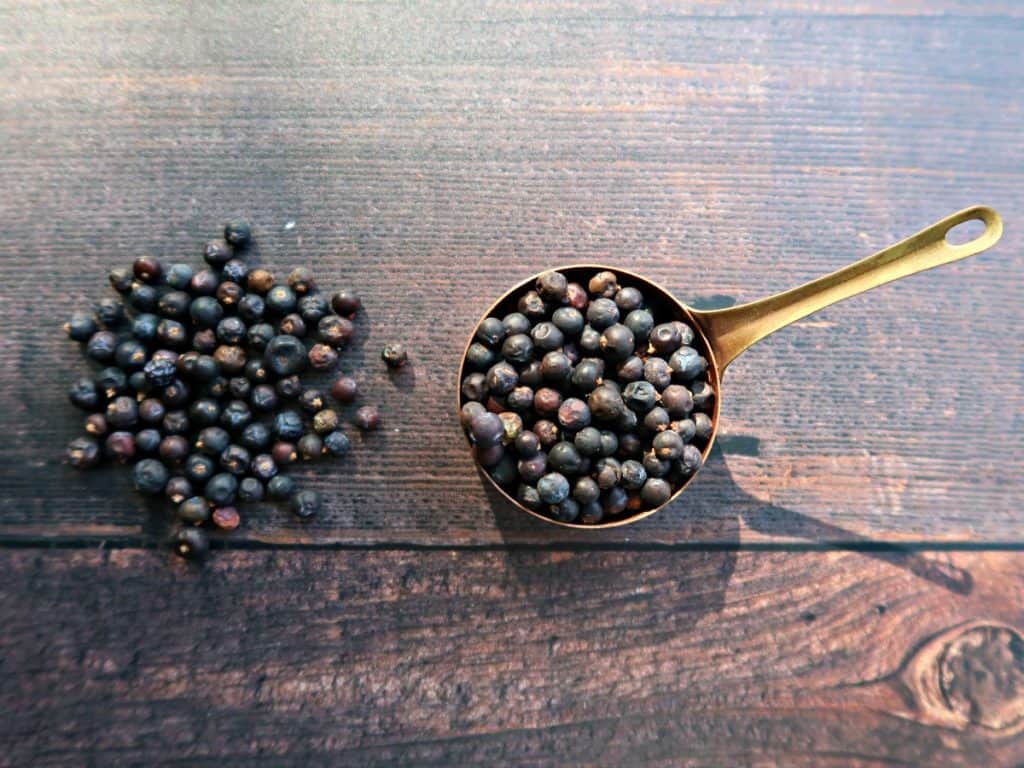
Without juniper in the mix, it’s not a gin, but vodka. A member of the Cyprus family, a juniper berry is the female seed cone of Juniperus communis. Juniper berries have a pine flavouring, followed up by citrus undertones.
Since ancient times, juniper berries have been prized for their medicinal purposes, especially with digestion problems and kidney and liver disease. They are also believed to help prevent heart disease, fight infections and improve blood circulation.
Coriander Seeds
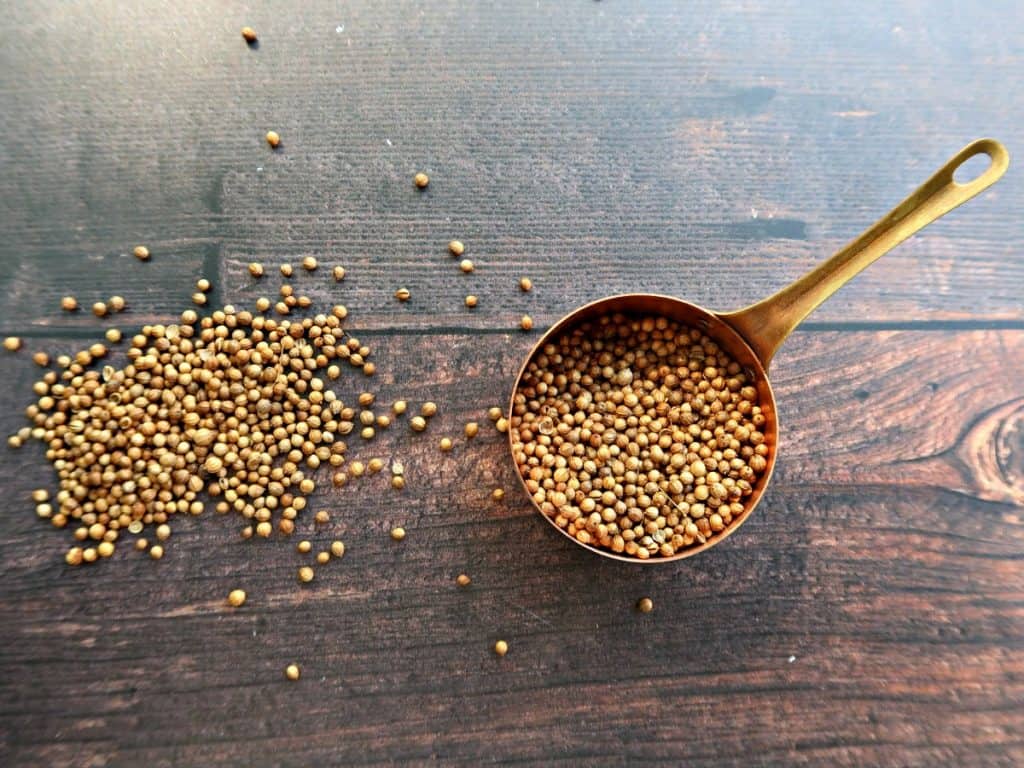
Coriander seeds come from the cilantro plant and complement well with juniper.
They have a slightly spicy and citrus flavouring, and also a nutty taste after it’s crushed.
Angelica root
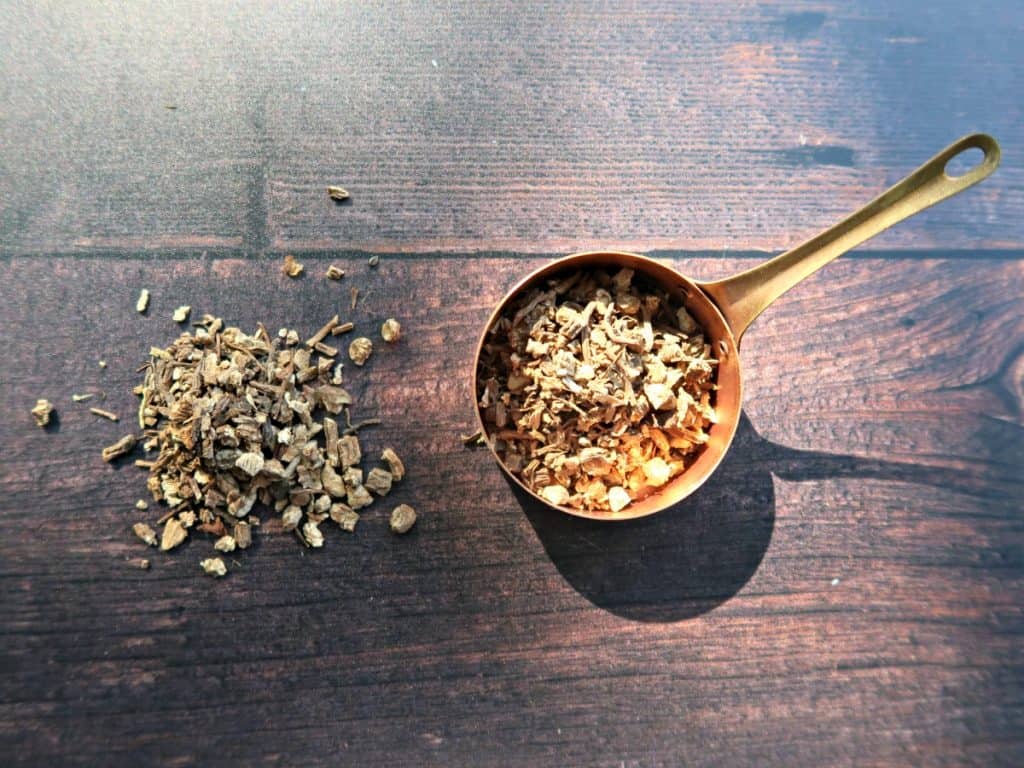
Angelica root is prized for its aromatic properties and is popular in incense and the perfumery industry as well in distilling.
As a gin botanical, the root of this plant brings an earthy and musky taste. Some distilleries also use seeds and flowers to add flavour to their gin.
Liquorice Root
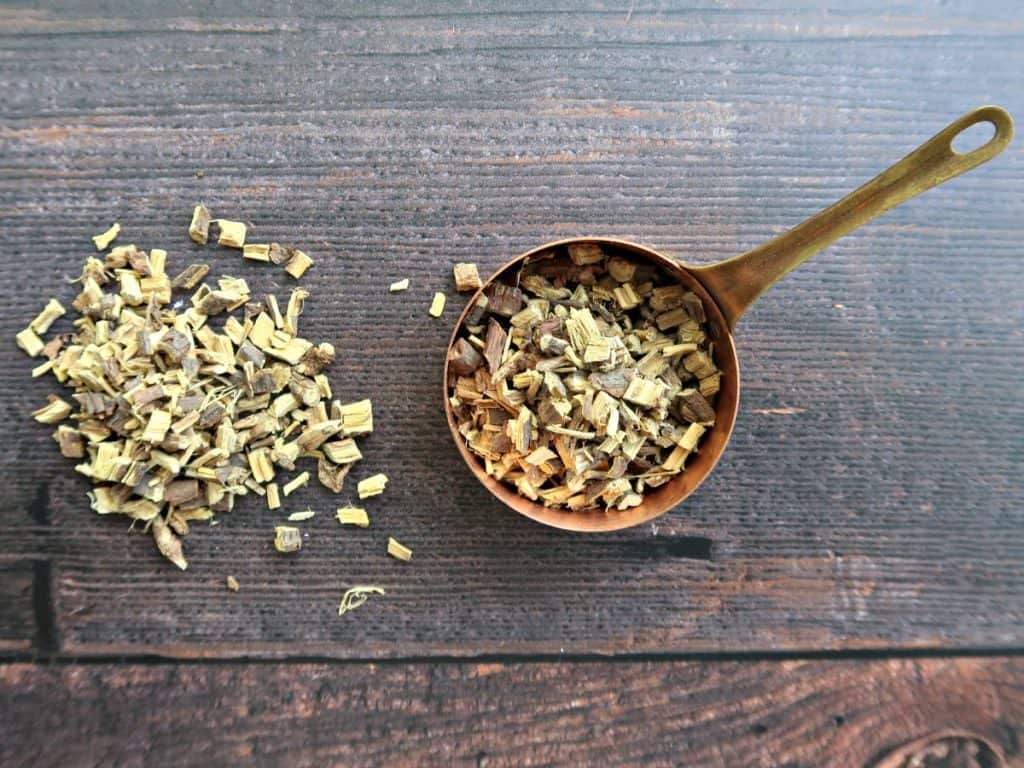
The liquorice root adds distinct flavouring and sweetness to your gin, along with an oily texture.
Found in King Tut’s tomb, we know this spice has a long history of use.
Cubeb Berries
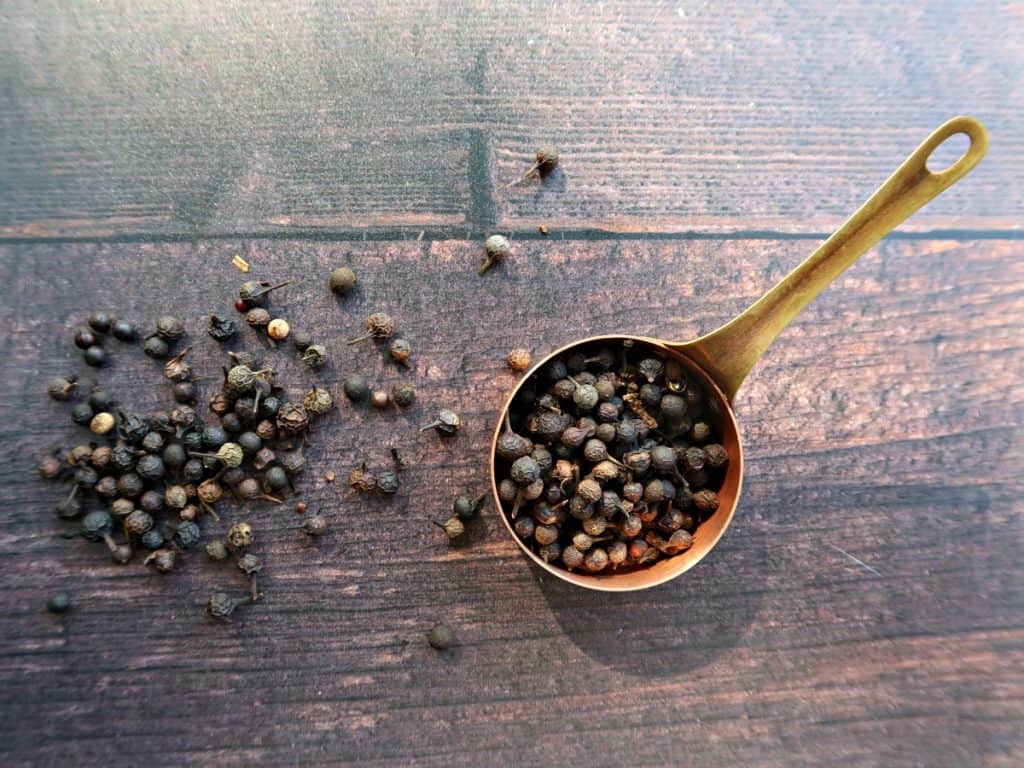
Cubeb berries have a flavour described as a cross between pepper and allspice, with a hint of nutmeg.
These berries help bring pine and citrus notes and a little heat to the gin.
Cassia Bark
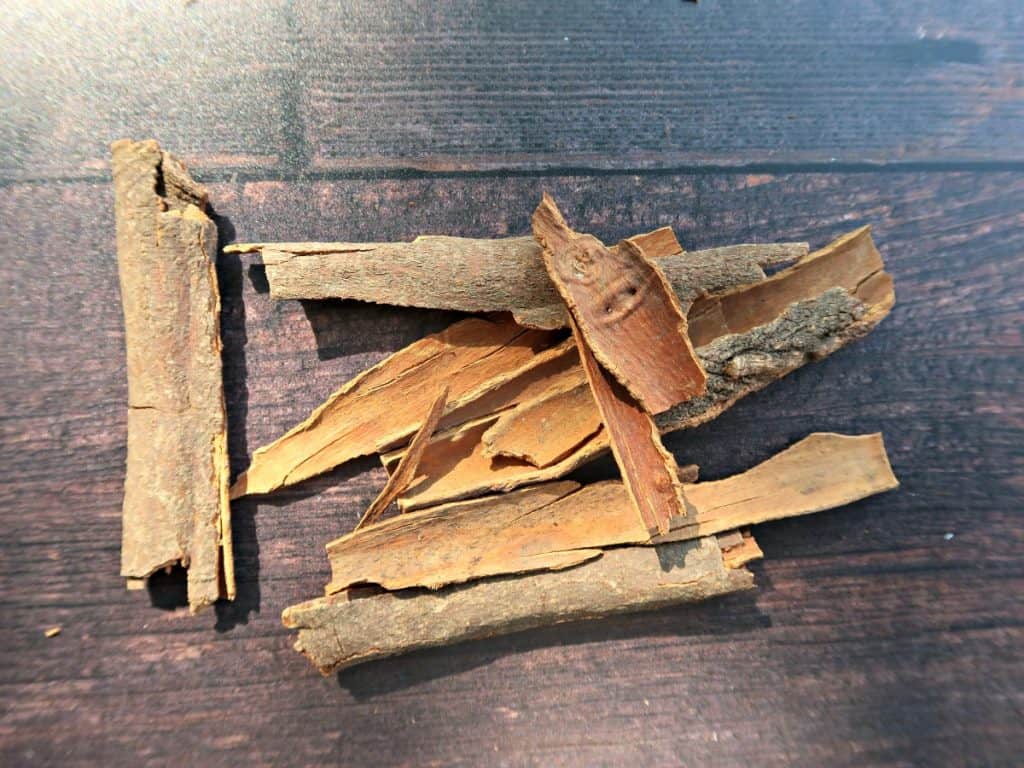
Cassia bark is another common botanical that you can find in most gins. It is similar to cinnamon.
It helps bring a spicy yet warm, earthy finish to your taste buds.
Orris root
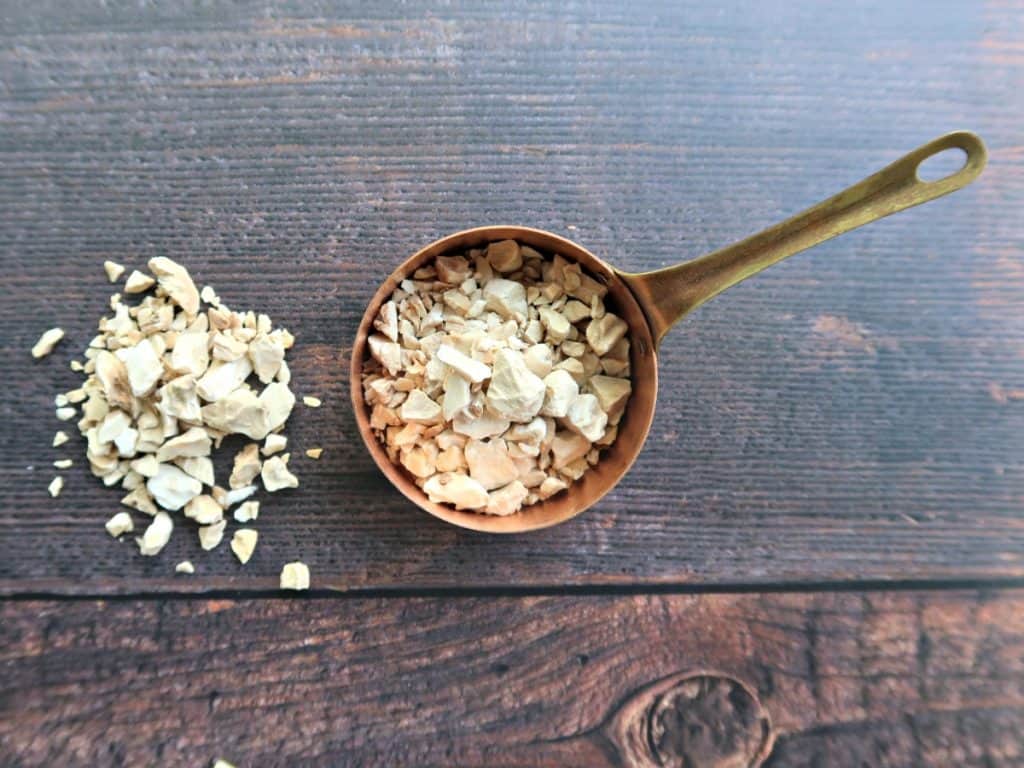
Orris root looks very similar to ginger and comes from the iris flower.
Many perfumes use it for its sweet and floral fragrance, but it also adds a woody flavouring to the gin.
Ginger root
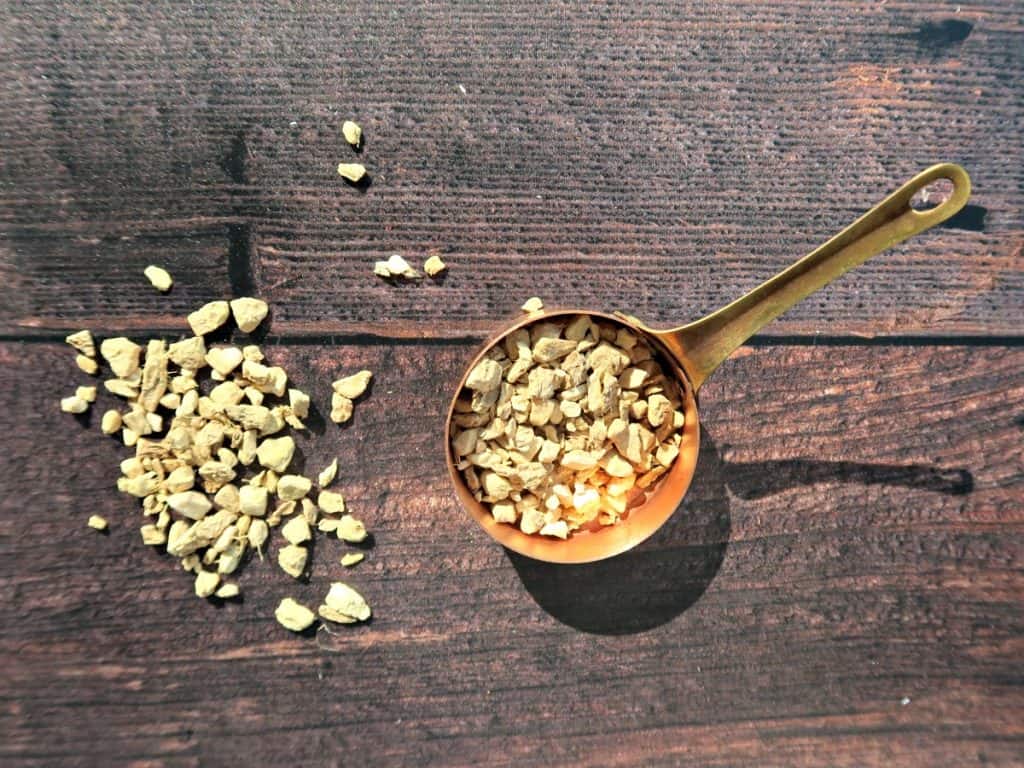
Ginger root is a gin spice that has a peppery flavour, with a slight hint of lemon and also has a strong aroma.
As well as a commonly used gin botanical, this spice is popular in cocktails and ginger beer.
Allspice Berries
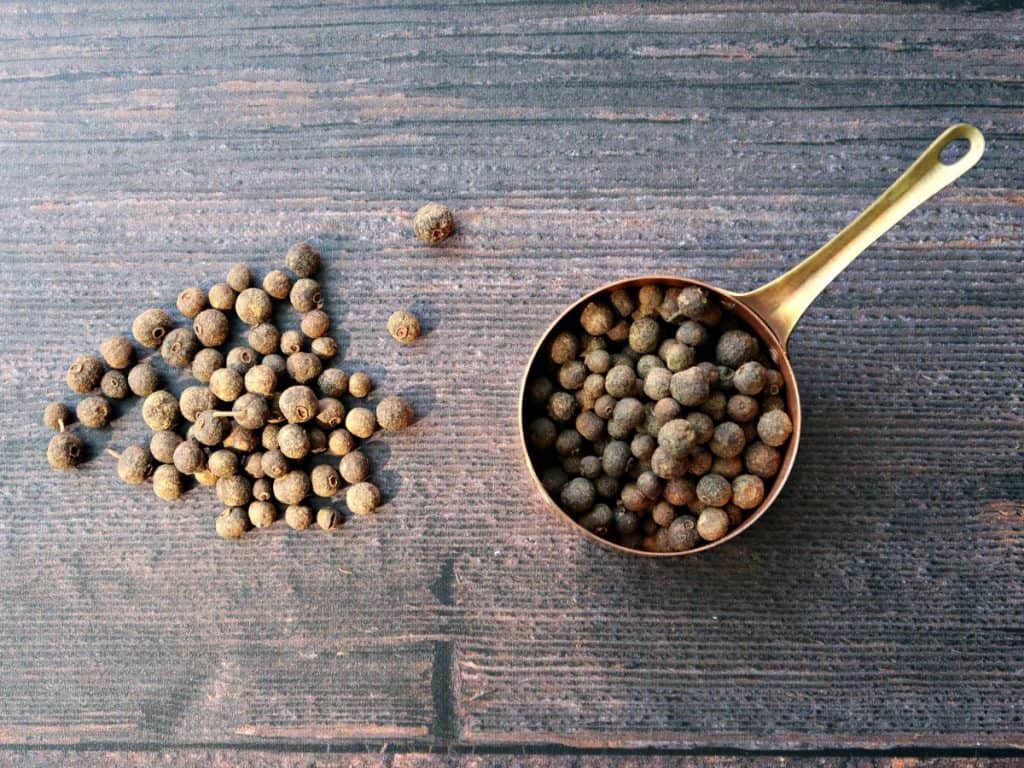
Allspice berries are only rarely used in the gin because too much can be overpowering.
Allspice berries have the flavour of cinnamon, nutmeg, and cloves, creating sweet and spicy notes.
Grains of Paradise
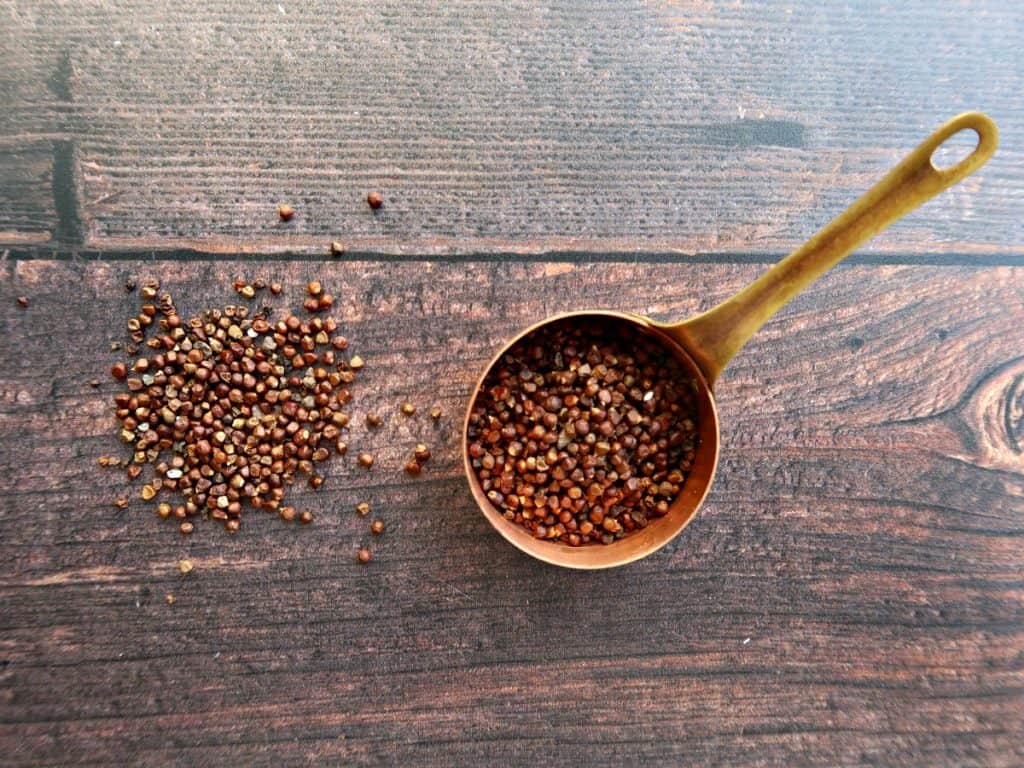
Long ago, spice traders claimed that this gin spice came from none other than the Garden of Eden.
Grains of paradise are small seeds that have notes that are similar to pepper, providing extra warmth and depth to the gin, with a pine aroma.
Mace
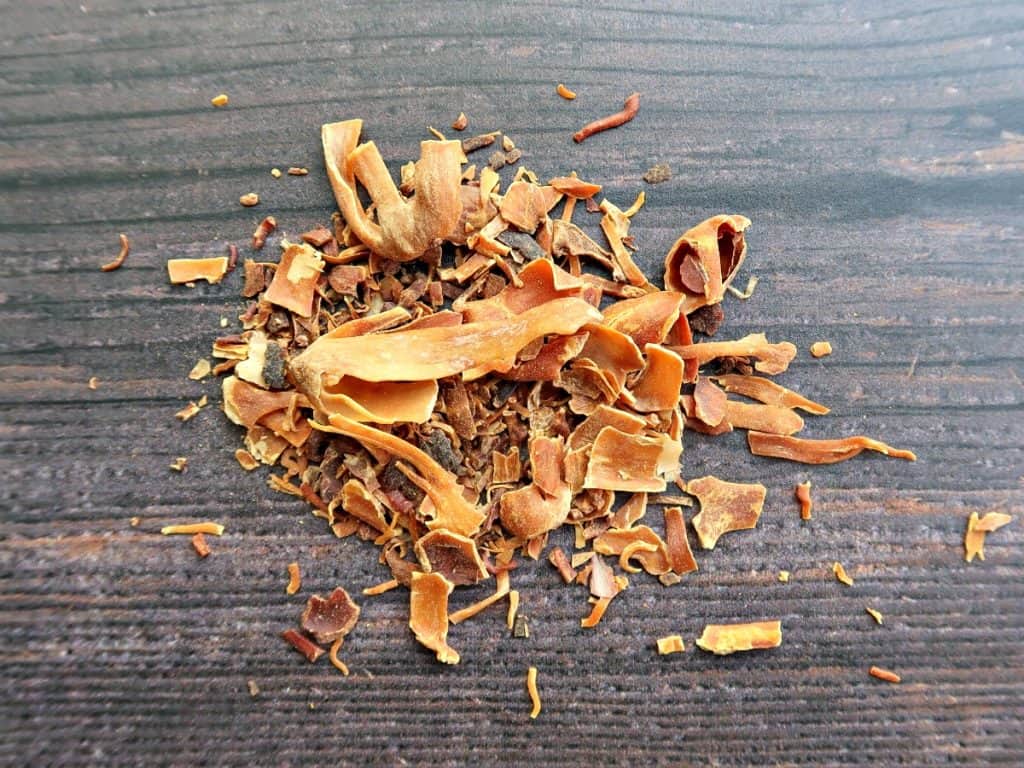
Mace is the red webbing that covers the seed of a nutmeg.
This botanical has a warm, pepper and cinnamon flavouring to it and is popular in milk recipes as well as gin.
Chamomile Flower
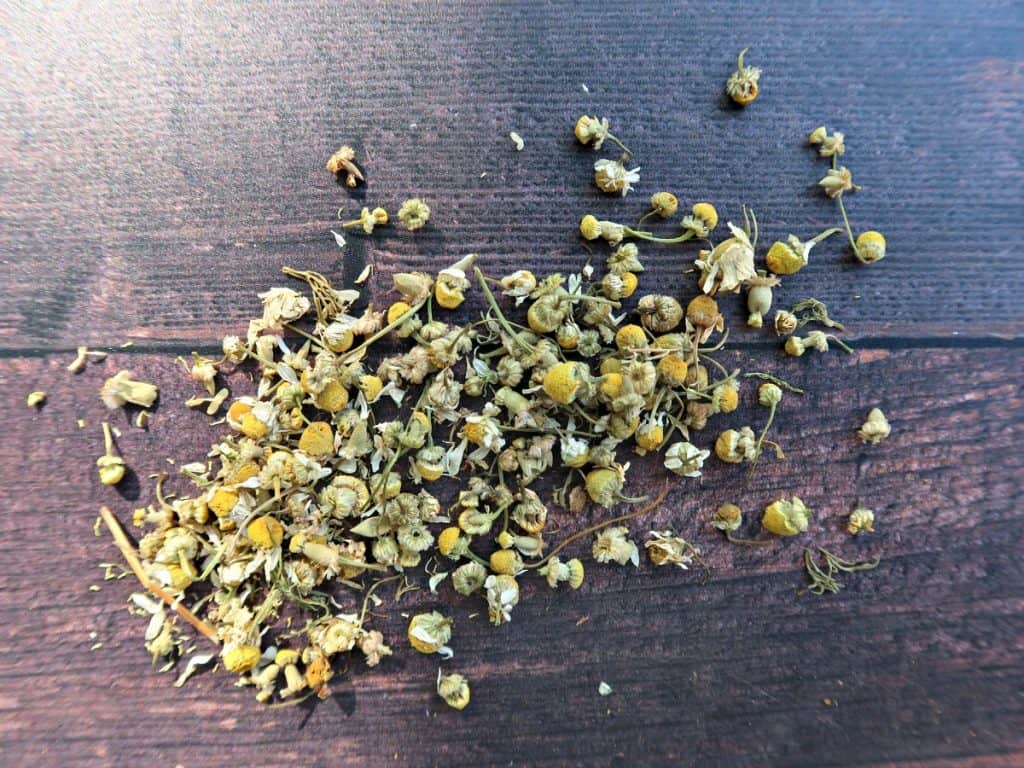
The chamomile flower, resembling the daisy, is used in a handful of commercial gins.
It adds flavour similar to the notes that are present in herbal tea while delivering a tropical and fruity smell.
Kaffir Lime Leaves
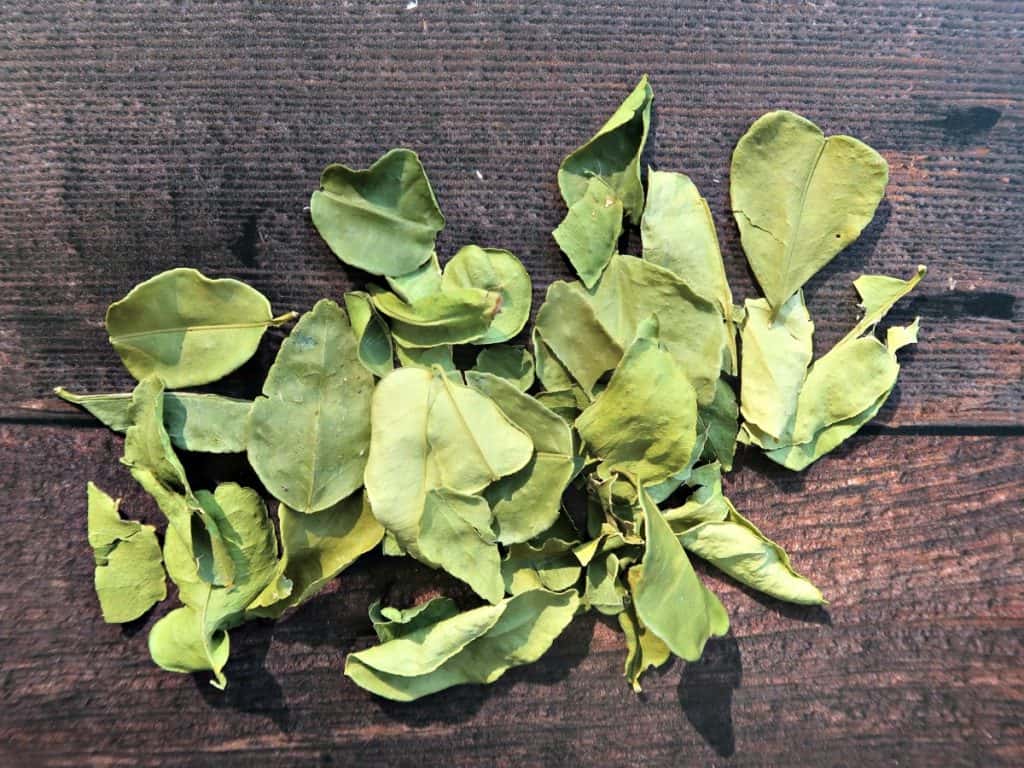
Some distilleries use kaffir lime leaves to add herbal notes to their gin, giving a citrus flavouring to the tail end of the taste experience.
Kaffir leaves are also a popular garnish in gin drinks.
Lemongrass
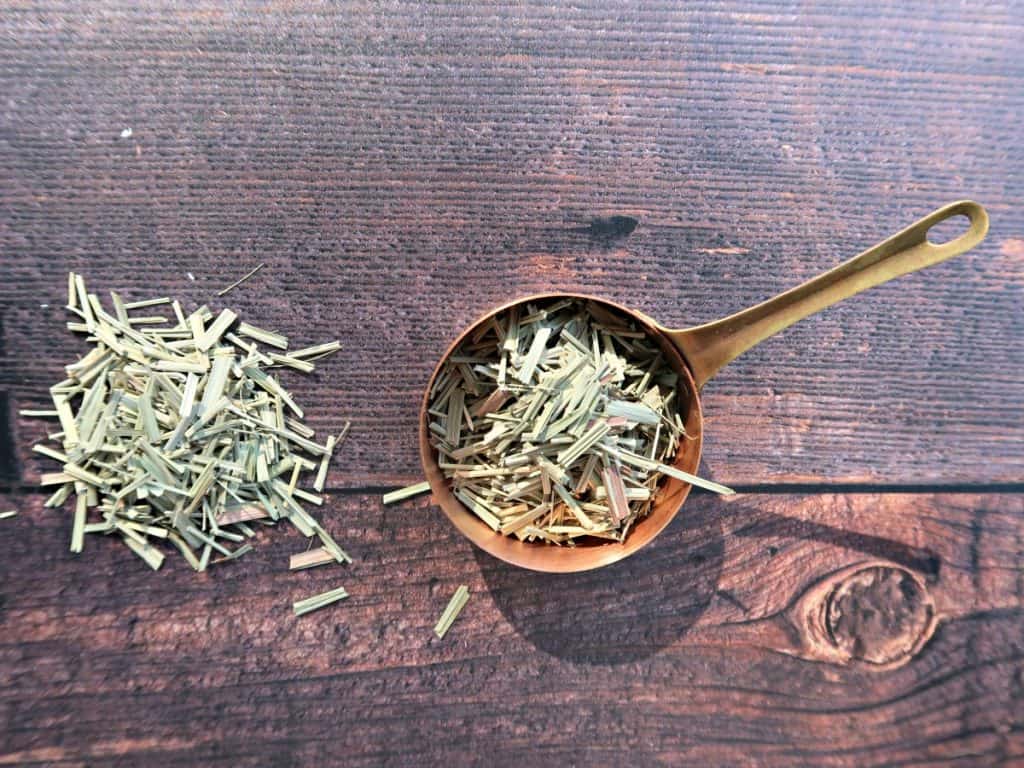
The use of lemongrass in gin has taken off over the past few years, thanks to the beautiful aroma that it brings.
Just as you’d expect, lemongrass offers a fresh and zingy lemony taste, following up with a candied feel.
Linden Flowers
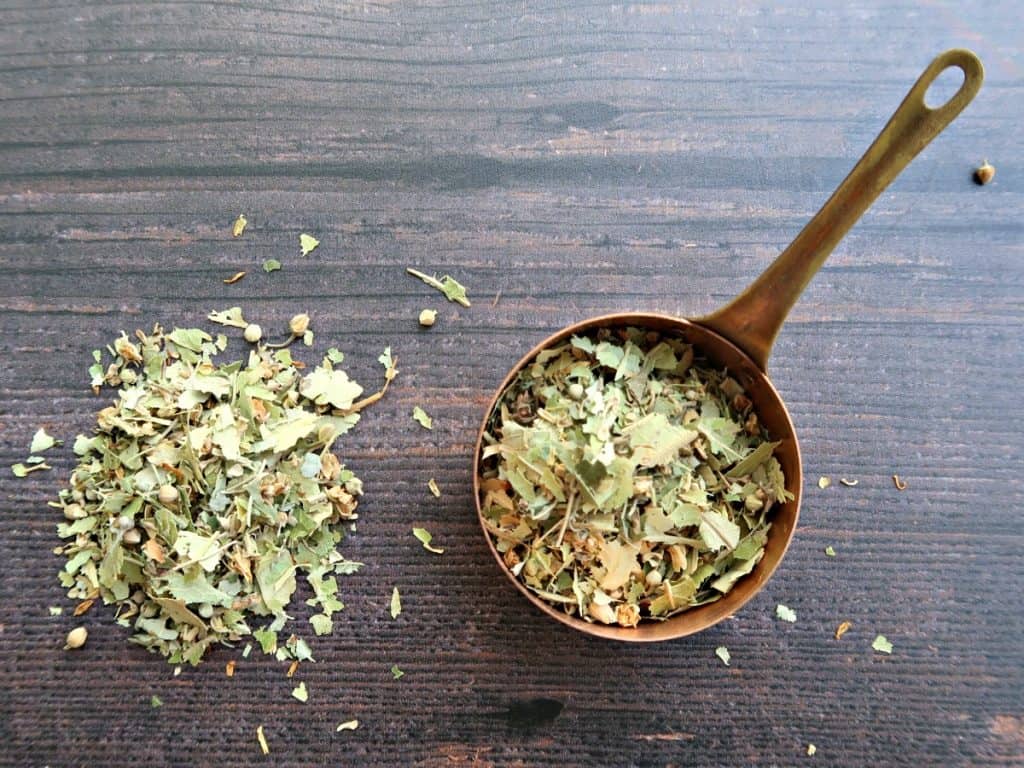
Dried linden flowers bring a medicinal flavour to gin infusions and are also a popular addition to gin cocktails.
Citrus Fruits
Lemon is often used in gin recipes to add extra citrus notes. It is also the classic garnish to a traditional London dry gin and tonic.
Oranges are another common fruit used in the gin-making process. And as with all citrus fruits, it is the oil in the zest that imparts the flavour.
The type of orange used makes a big difference in flavour, whether it brings a bitter citrusy taste or adds sweet notes to the finished product.
Grapefruit is becoming an increasingly popular botanical in modern craft gins and is now often the only citrus present in some brands.
Both dried and fresh citrus peel are commonly used as gin botanicals. The fresh zest gives brighter citrus notes than dried but can add bitterness if left to infuse for too long.
Final Word
Gin is a drink that has been around for a long time yet continues to reinvent itself with new versions.
The next time you’re drinking your favourite gin, think about all the botanicals that it contains to give you the flavour you enjoy.
Now that you know what is gin made from, you can enjoy it even more.